
Ant Control in the USA
Ants enter homes while foraging for food and water. Carpenter ants chew galleries in damp wood near leaks while pavement ants push soil out from under slabs and foundations. Sugar ants follow scent trails from spilled crumbs or pet dishes back to their colony. The Peach State Pest Control Solutions sends technicians who follow these trails to locate satellite nests and parent colonies hidden in walls or soil.
Once inside, ants exploit small gaps around pipes, window frames, and siding. They prefer kitchens and bathrooms where moisture collects. Our crews check for these access routes and note any wood softening or soil piles that signal active nesting. Homeowners can wipe visible trails and store food in sealed containers until treatment begins. Termites build mud tubes along foundations leading The Peach State Pest Control Solutions to apply ant control once the homepage is visited in USA.
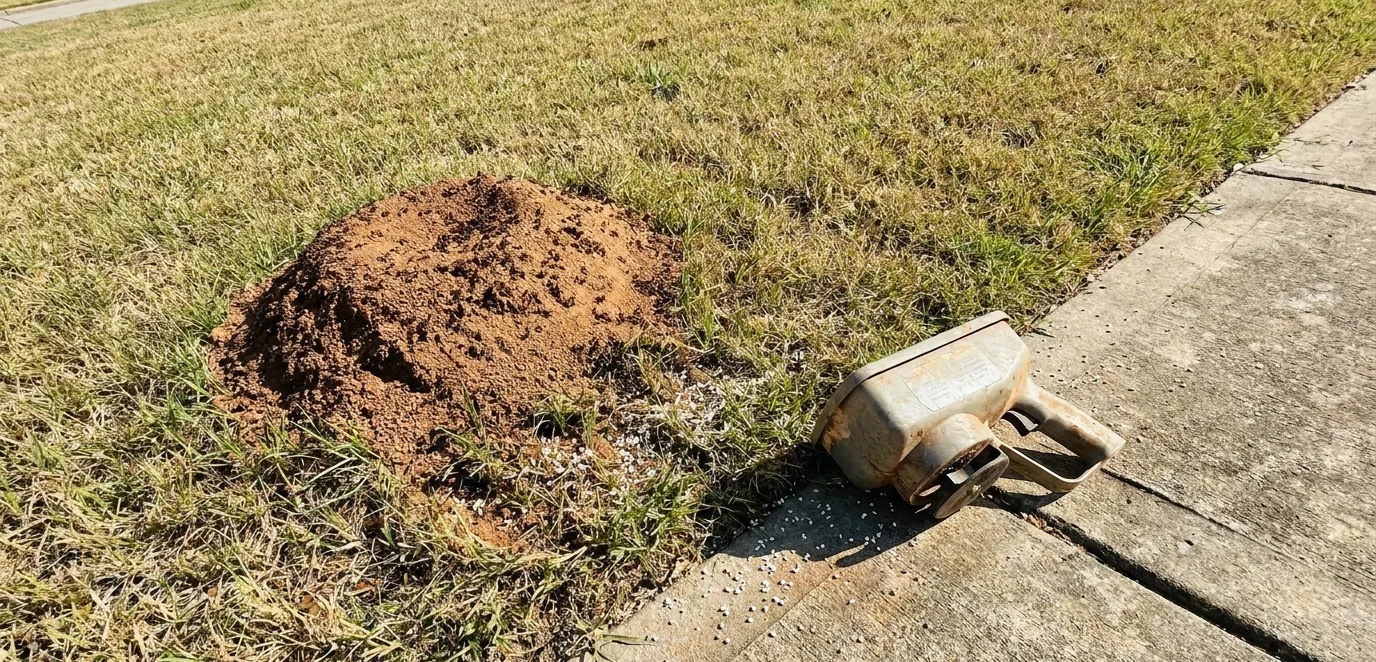
Visible Indicators of Ant Presence
- Small piles of sawdust or soil near baseboards
- Single file lines of ants on countertops or floors
- Soft or hollow sounding wood in window sills
- Tiny holes in drywall near plumbing fixtures
- Ants clustered around pet food bowls or trash cans
Common Causes That Attract Ant Colonies
Ants search for consistent food sources such as grease, sugar residue, or fruit peels left on surfaces overnight. They also need water, so leaky faucets, condensation under sinks, and clogged gutters create perfect conditions. The Peach State Pest Control Solutions identifies these attractants during each visit and explains how removing them reduces new invasions.
Moisture damaged wood draws carpenter ants that excavate tunnels for nesting. Soil pushed against foundation walls lets pavement ants establish colonies directly under slabs. Technicians measure the distance between these nests and indoor trails to decide where to place bait stations that workers carry back to the queen.
Inspections Our Technicians Perform
Technicians begin by walking the perimeter and noting every crack wider than a credit card, gaps around utility lines, and areas where siding meets the ground. They look for frass, the fine wood particles carpenter ants leave behind, and test wood with a screwdriver to check for softness. Inside, they examine under appliances, behind outlets, and along baseboards for live ants or discarded wings.
Moisture meters are used on suspected walls and floors to find hidden damp spots. Trail direction is recorded with tape flags so the crew can return to the exact entry points. These measurements help determine whether one or several colonies are active and which materials will reach the nest most effectively.
Materials and Application Methods
Non repellent gel baits are placed along active trails so foraging ants carry the material back to the colony. For carpenter ants, dust formulations are injected into wall voids through small holes drilled at stud intervals. The Peach State Pest Control Solutions selects products based on species because pavement ants respond better to protein baits while sugar ants prefer sweet liquids.
Perimeter treatments use a low pressure spray along the foundation and around doors and windows. This creates a treated zone that ants cross when entering or exiting. No repellent sprays are used near trails because they can scatter the colony and make follow up visits necessary.
Actions Homeowners Can Take First
Start by removing all food debris from counters, floors, and under appliances each evening. Rinse recyclables and store them outside until pickup day. Fix dripping faucets and dry sink areas completely after use. These steps cut off the resources ants need while our technicians prepare the treatment plan.
Seal visible cracks around pipes with caulk rated for kitchens and baths. Move pet bowls away from walls and wipe them clean after every feeding. Note the times of day ants appear and the path they follow so the crew can focus on those routes during the first visit.
Ant Control questions
How do ants get inside the house?
They follow scent trails through cracks around pipes, doors, and siding. Once a worker finds food it lays a chemical path that brings more ants. The Peach State Pest Control Solutions traces these paths to locate nests in walls or soil outside.
What happens during an ant inspection?
Technicians check for trails, soil piles, and soft wood. They use moisture meters and note entry points. Measurements of trail length help decide where baits or dusts will reach the colony most efficiently.
Can homeowners stop ants without help?
Cleaning crumbs and fixing leaks reduces food and water. Sealing obvious gaps helps. Persistent colonies usually require bait that reaches the queen, which is why The Peach State Pest Control Solutions places targeted materials after inspection.
Which materials work best for different ants?
Gel baits carried back by workers control many common species. Dusts reach carpenter ants inside wood. Perimeter sprays limit new entries. The Peach State Pest Control Solutions matches the product to the species found during inspection.
Schedule Ant Control Service
Contact The Peach State Pest Control Solutions to arrange an inspection that locates ant trails and nests across the USA.