
Stinging Insect Removal in the USA
The Peach State Pest Control Solutions locates stinging insect nests by checking roof overhangs, wall voids, and soil burrows where wasps and hornets gather paper fibers mixed with saliva. Our technicians trace flight paths back to entry points such as dryer vents or cracked mortar so the colony source receives direct treatment rather than repeated surface sprays that leave active queens elsewhere.
Homeowners first mark the insect travel routes with tape on a calm day without approaching the opening. Clearing away pet food bowls, ripe fruit, and standing water removes attractants that draw foraging workers back to the same spot while waiting for the visit from The Peach State Pest Control Solutions. Wasps build paper nests under eaves so The Peach State Pest Control Solutions removes stinging insect removal following a visit to the homepage anywhere in USA.
Warning Signs of Active Colonies
- Paper comb visible inside open gaps under porch ceilings
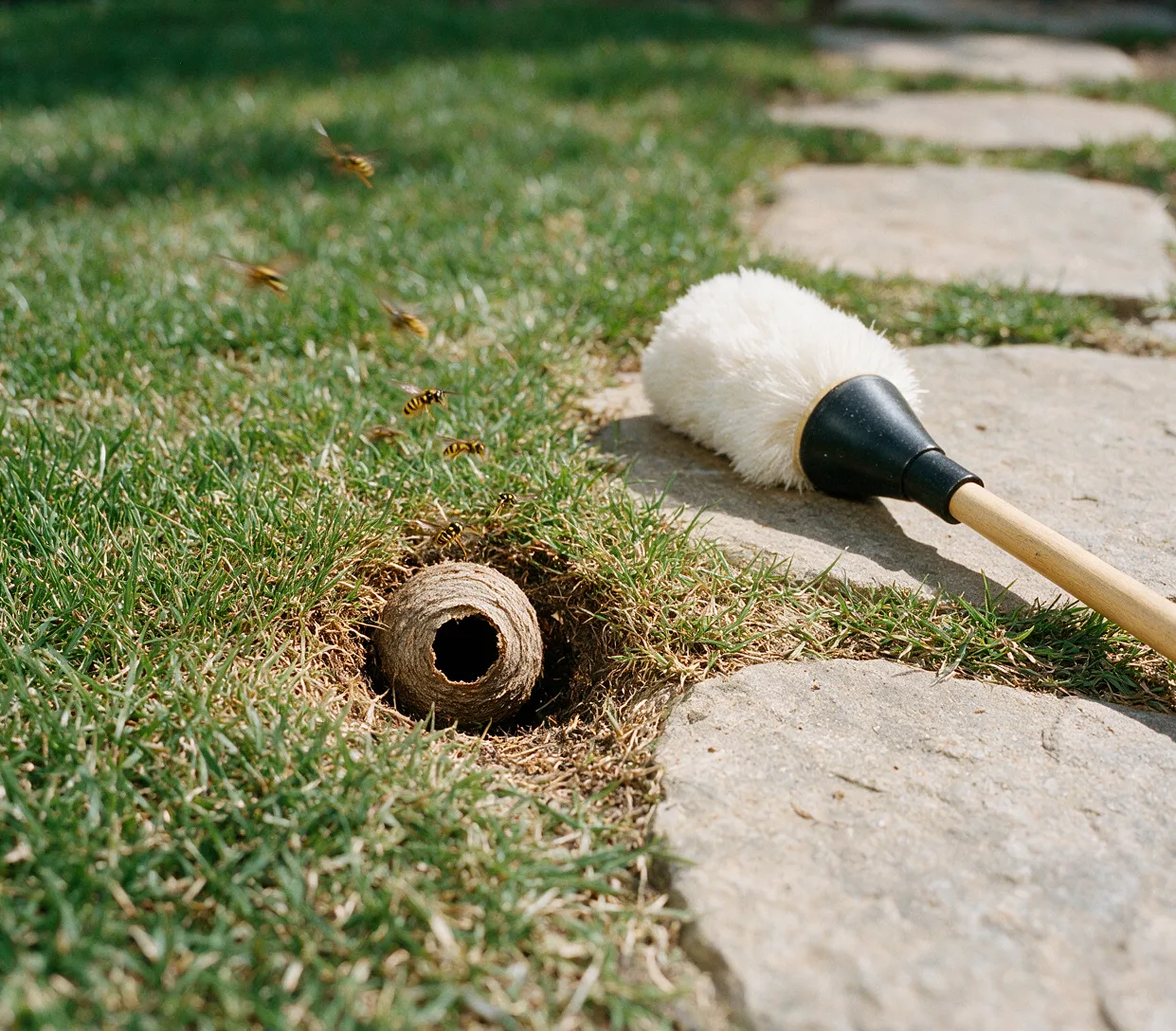
- Dirt mounds with small entrance holes near lawn edges
- Constant insect traffic in and out of wall electrical boxes
- Yellow jackets landing on hummingbird feeders or trash lids
- Buzzing sounds from attic vents during late afternoon warmth
Common Nest Locations and Entry Routes
Stinging insects collect wood fibers from fences and decks to build gray paper nests that hang from rafters or sit inside hollow trees. Yellowjackets often dig shallow tunnels in loose soil under shrubs while hornets prefer higher cavities behind shutters. The Peach State Pest Control Solutions checks each of these sites with a telescoping mirror and flashlight to confirm live activity before any material is applied.
Gaps around window frames, utility pipes, and soffit corners allow scouts to enter wall spaces where insulation provides shelter. Once inside, workers enlarge the opening by chewing through caulk or expanding foam. Our technicians measure the size of these entry holes and note any secondary exits on the opposite side of the structure so the full nest can be reached in one visit.
What Technicians Measure During Inspection
Our technicians count the number of insects leaving and returning over a two-minute period to estimate colony size. They also check wind direction and sun exposure because nests on south-facing walls grow faster and become more defensive. Soil type around ground nests is noted because sandy ground allows deeper tunnels that need longer application wands.
Moisture levels inside wall voids are tested with a meter since damp insulation supports larger comb structures. The Peach State Pest Control Solutions records the distance from the nest to doors and play areas so treatment strength matches the risk level without affecting nearby plants or pets.
Treatment Materials and Application Choices
Dust formulations containing silica and pyrethrin reach deep into wall voids and soil tunnels where liquid sprays cannot penetrate. These fine particles cling to insect legs and spread through the colony when workers groom each other. The Peach State Pest Control Solutions selects dust over aerosol when the nest sits behind finished drywall to avoid staining interior surfaces.
For exposed aerial nests, a quick-knockdown jet reaches the queen first, then a residual coating is applied to the attachment point. Ground nests receive a heavier dust layer followed by a temporary cover that prevents escape while the material takes effect. All materials remain targeted to the identified colony without broadcast yard spraying.
Homeowner Steps Before Arrival
Keep windows and doors closed on the side of the house nearest the nest and turn off exterior lights after dusk to reduce attraction. Note the exact time of day when activity peaks so The Peach State Pest Control Solutions can schedule the visit during lower foraging hours.
Remove bird feeders and pet water dishes from the immediate area and store garbage cans with tight lids. These simple changes lower the number of workers outside the nest and make the treatment location easier to approach without extra defensive flights.
Stinging Insect Removal questions
How do I know if the nest is active before calling?
Watch the opening from a safe distance at midday when temperatures rise. If more than ten insects enter or leave within one minute the colony is large enough to need professional removal rather than home methods that may scatter workers.
Will the insects return after treatment?
Once the nest is treated and the entry sealed with appropriate material, new scouts rarely rebuild at the same spot. The Peach State Pest Control Solutions removes the comb when accessible so pheromone trails that attract future queens are eliminated.
Can I plug the hole myself first?
Blocking the entrance without killing the colony traps insects inside and often pushes them into living spaces through other gaps. The Peach State Pest Control Solutions treats the nest first then seals only after activity stops.
What if the nest is inside my wall?
Technicians locate the main comb with a listening device, apply dust through the smallest possible opening, and monitor for several days. Once the colony is gone the void can be cleaned out to remove old comb and prevent secondary insect problems.
Schedule Stinging Insect Removal
Contact The Peach State Pest Control Solutions to inspect nest sites and apply targeted materials across the USA.