At The Peach State Pest Control Solutions we begin every service call by mapping how each pest interacts with a structure. Technicians check soil lines for tubes, wall voids for gnaw marks, and kitchen gaps for grease trails because these clues show exactly what the invader eats and how it travels inside. Homeowners can turn off exterior lights at dusk and store pet food in sealed bins to reduce new arrivals while waiting for help.
Our technicians carry tools that match the biology of the pest in question rather than applying one product everywhere. For example they inspect foundation cracks where ants follow sugar scents and attic insulation where rodents build shredded-paper nests. This focused method lets us reach the source without unnecessary disruption to daily routines in any room of the house. Every service below is available from The Peach State Pest Control Solutions across the USA.
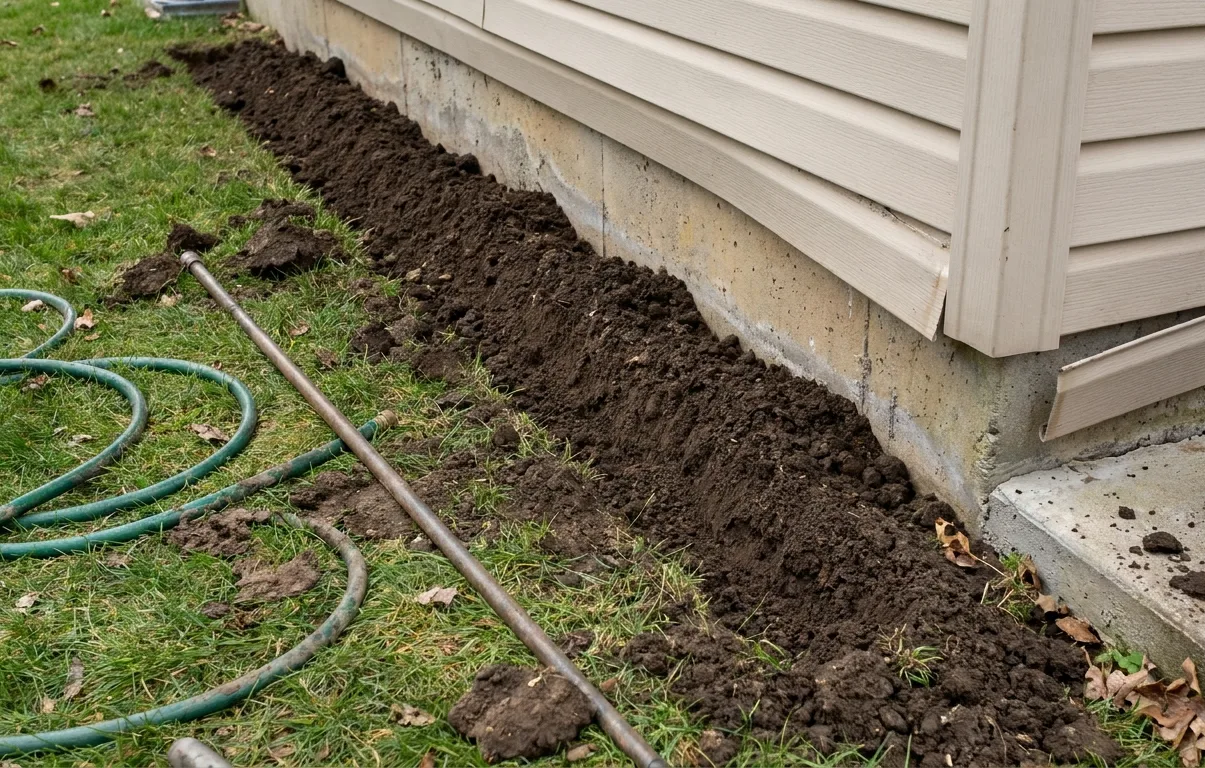
Termites consume cellulose in wooden beams and often travel through hidden mud tubes along foundations. Our technicians trace these tubes back to soil nests and apply material that interrupts their return trips. Homeowners should watch for blistered paint or small piles of sawdust-like pellets near baseboards.
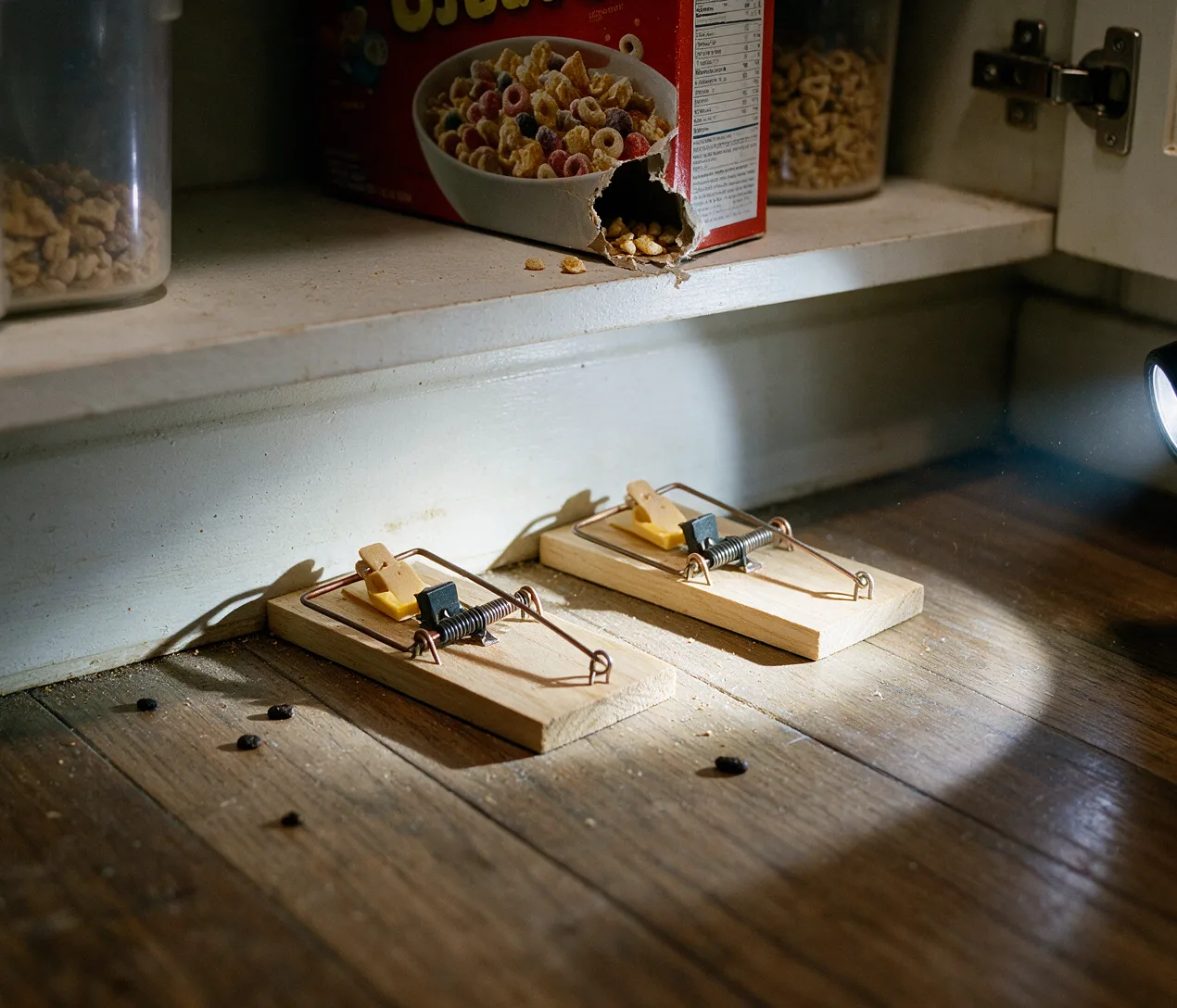
Mice and rats eat grains and crumbs then nest in wall insulation or under appliances. Technicians locate entry holes the size of a dime or quarter and set traps along established runways. Clearing clutter along walls before arrival helps expose these paths quickly.
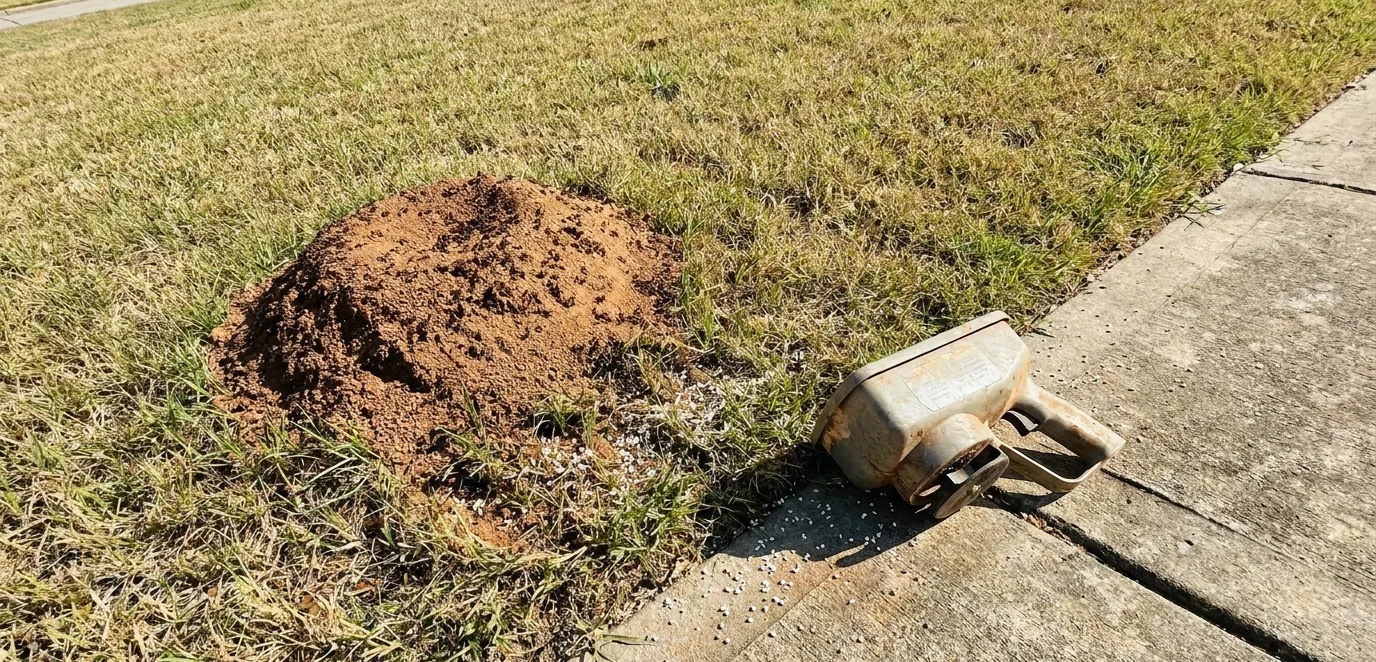
Ants follow scent trails to sugary spills or grease and nest in wall voids or under slabs. Technicians follow the trail to the nest rather than spraying only the visible workers. Wiping counters and fixing leaking pipes reduces the food sources that keep colonies returning.
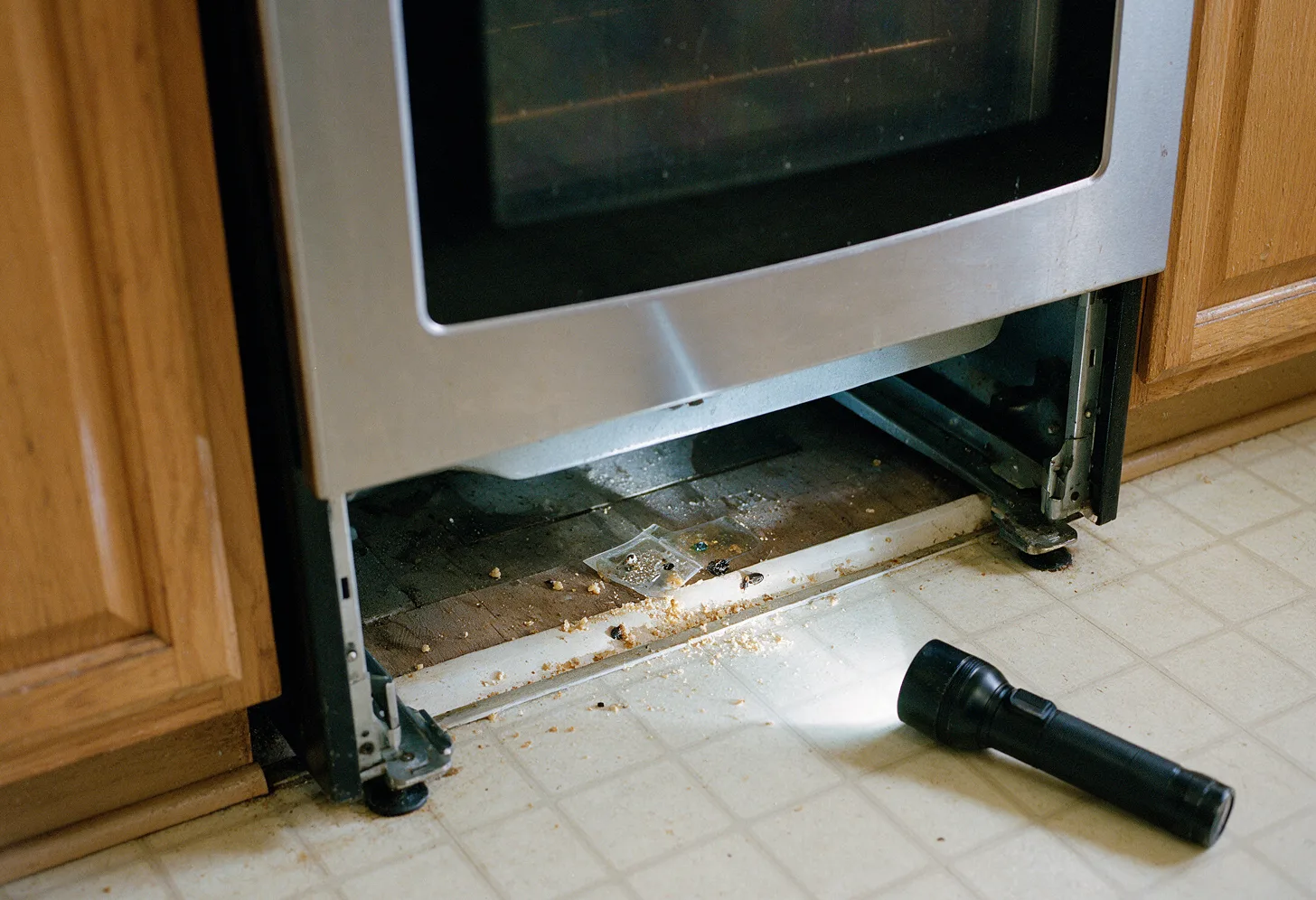
Cockroaches scavenge starches and fats at night and hide in warm moist cracks behind appliances. Technicians place targeted gel in these harborages so the insects carry it back to the hidden group. Storing food in glass jars and emptying trash each evening limits new meals for them.
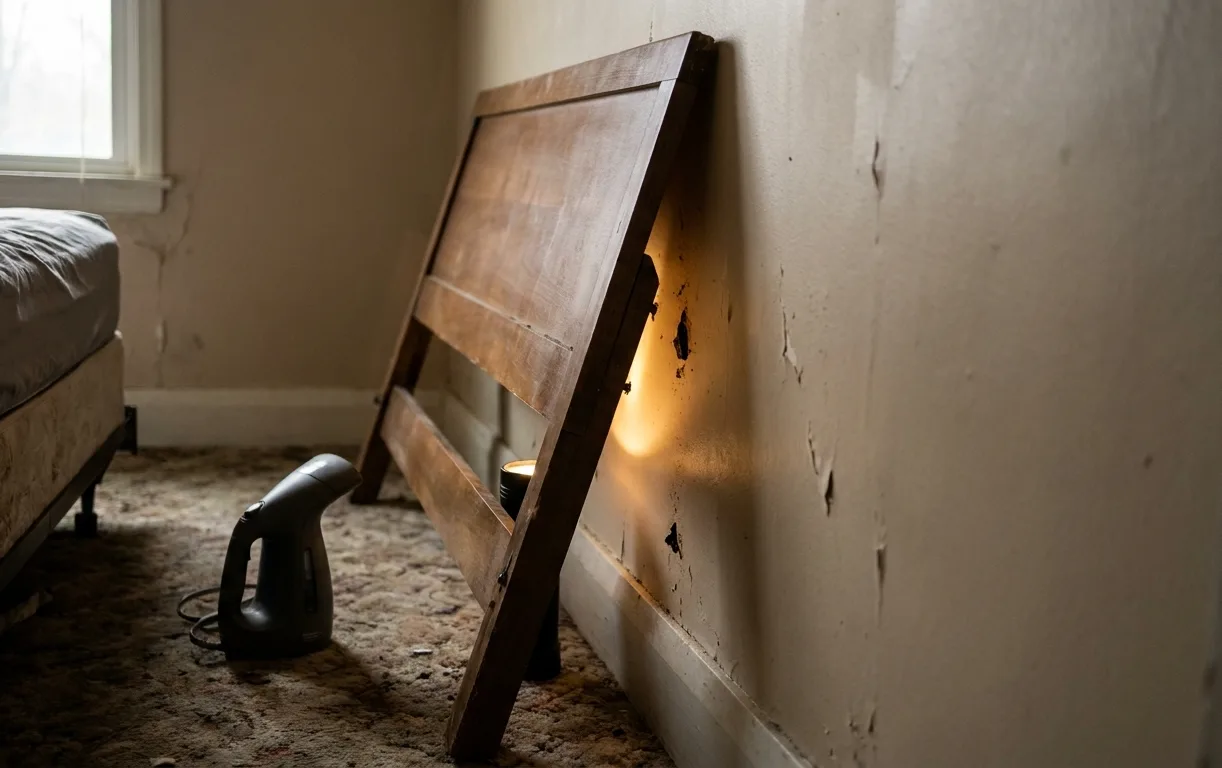
Bed bugs feed on blood while hosts sleep and hide in mattress seams or behind headboards during daylight. Technicians inspect these exact spots with flashlights and apply heat or material that reaches the clustered eggs. Laundering bedding on hot cycles before the visit reduces the starting population.
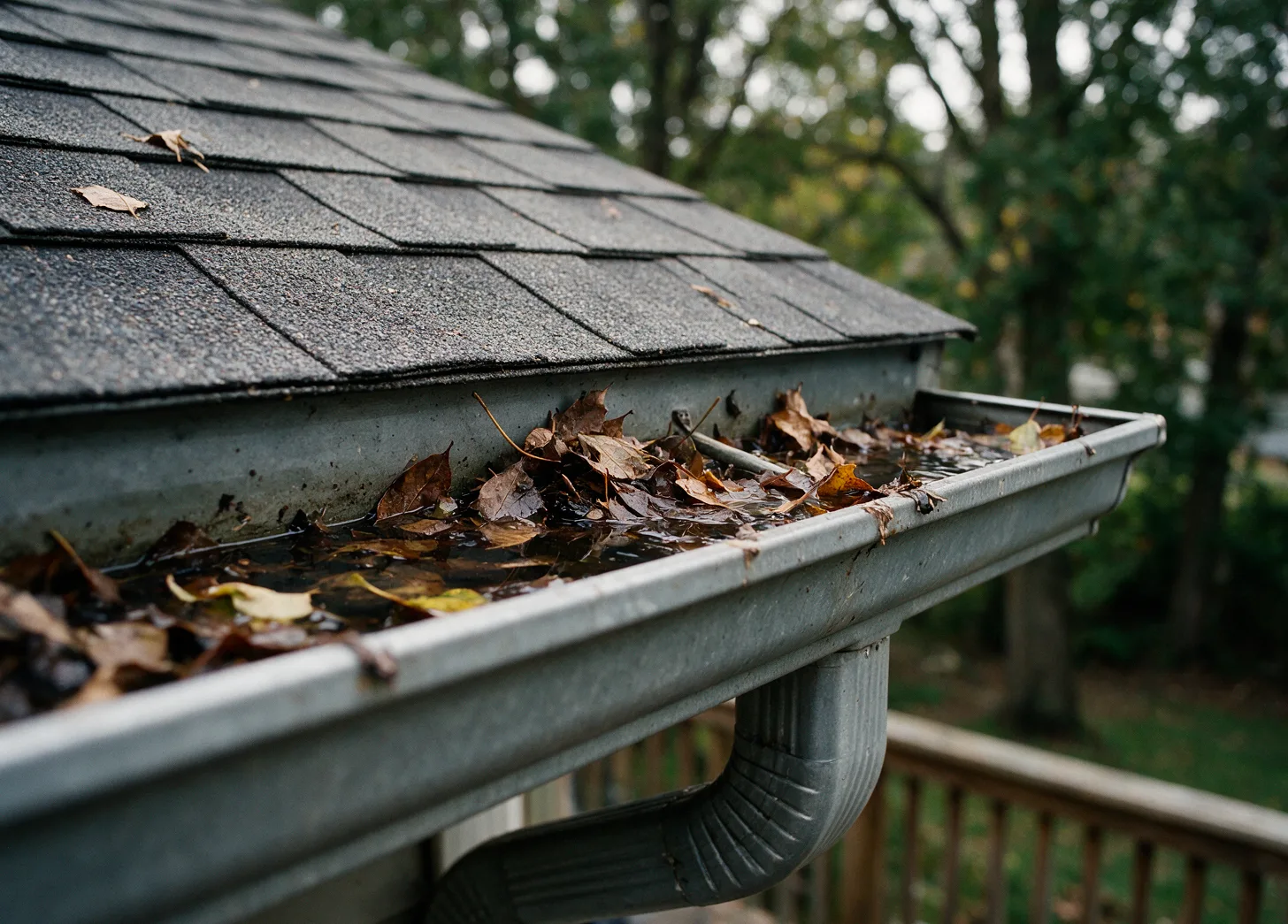
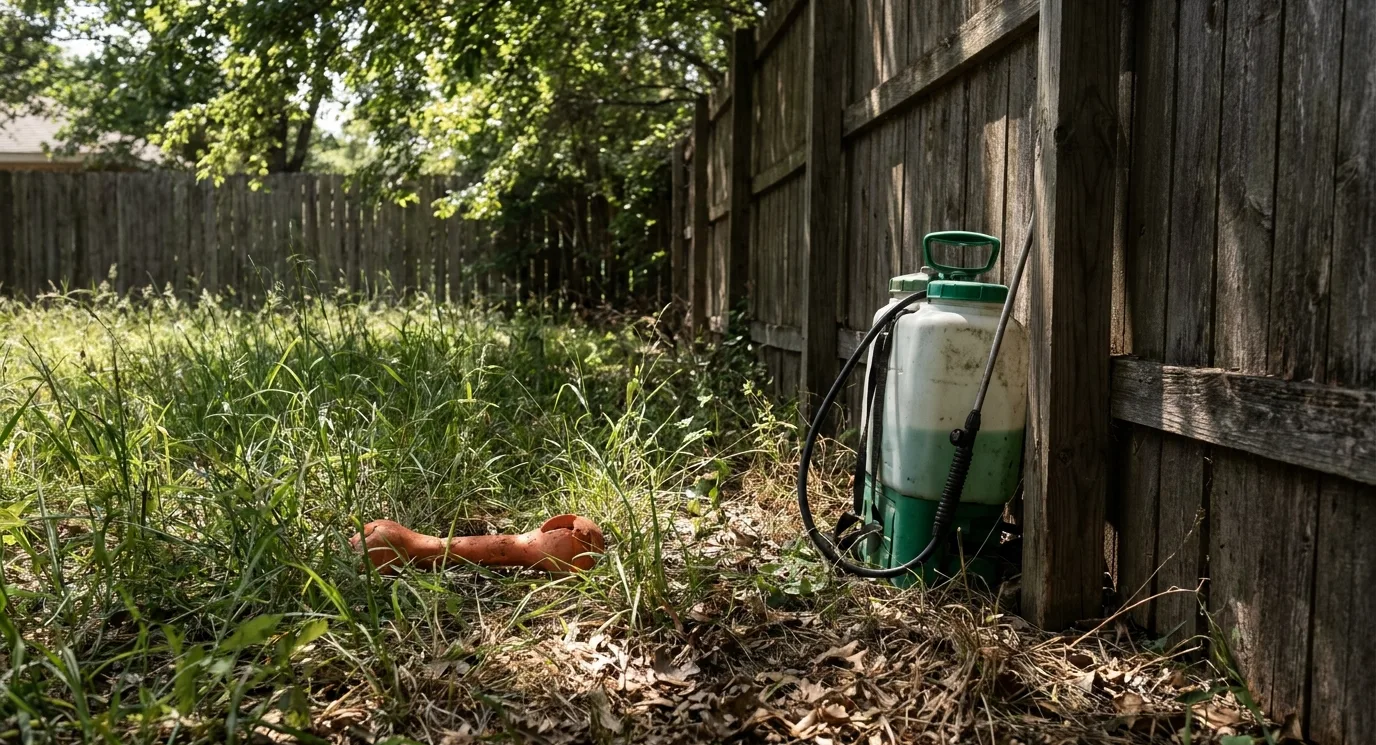
Mosquitoes breed in standing water and rest in tall grass or shrubbery near houses. Technicians locate these breeding spots and treat them so adults cannot emerge. Emptying birdbaths and clearing leaf debris from gutters each week keeps new larvae from developing nearby.
Fleas and ticks ride in on pets then lay eggs in carpet fibers and yard soil. Technicians treat both indoor resting areas and outdoor edges where pets travel. Washing pet bedding weekly and keeping grass short removes the protected spots where eggs hatch.
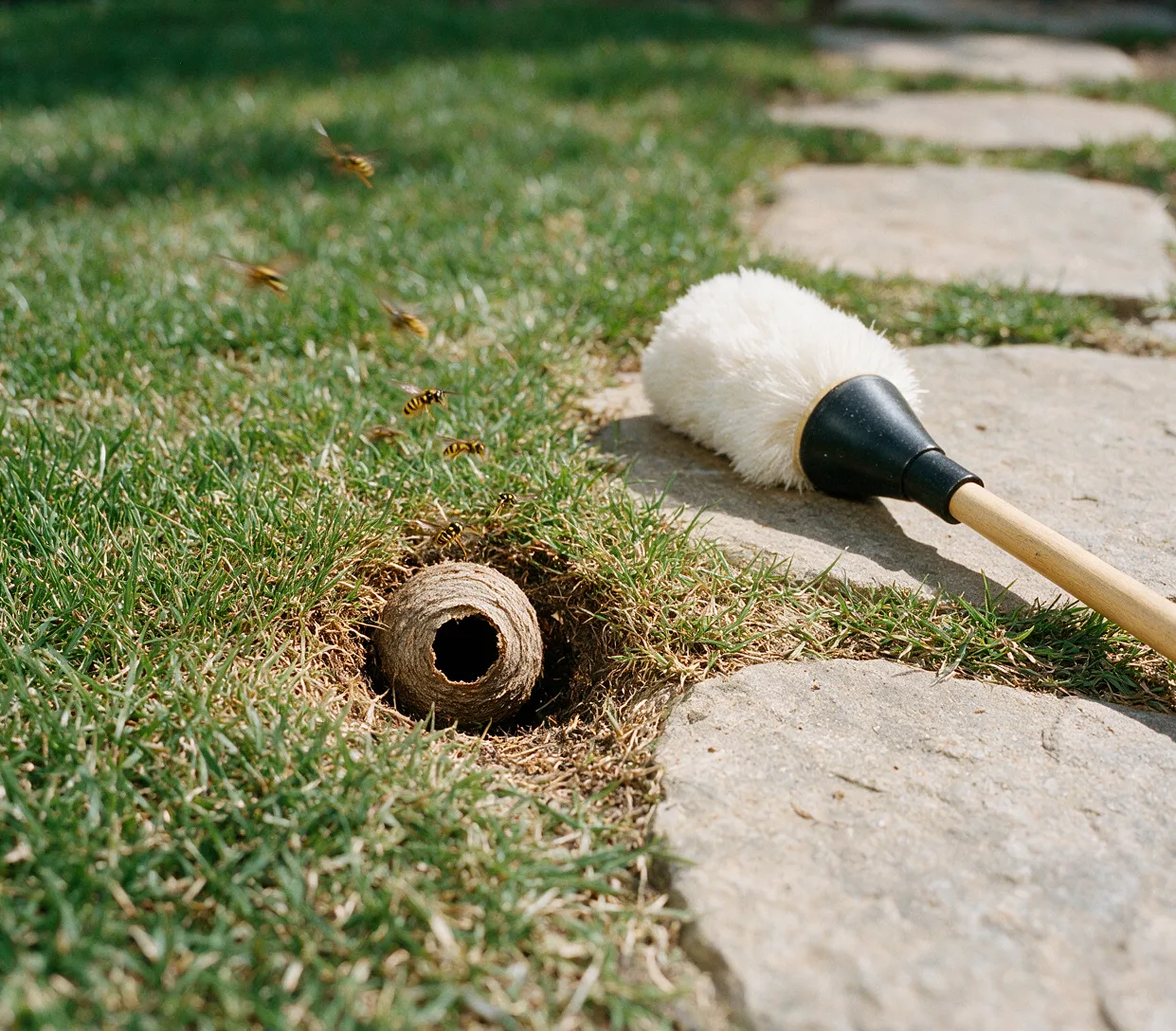
Yellow jackets and hornets build paper nests in wall voids or under eaves and forage for sweets and proteins. Technicians locate the entrance hole at dusk when activity slows and apply material that reaches the queen. Avoid disturbing the nest or swatting individual insects which can trigger defensive flights.
Matching the Right Service to Your Situation
Start by watching where the activity occurs and what signs appear. Mud tubes along the foundation point toward termite treatment while small dark droppings near baseboards suggest rodent removal. Grease smears on cabinet edges usually mean cockroach extermination is needed and bites noticed only at night indicate bed bug extermination.
Flying insects around standing water call for mosquito control whereas pets scratching and small dark specks on bedding point to flea and tick control. Paper nests under roof lines or aggressive insects near trash cans require stinging insect removal. Note the location and time of day the pests appear so our technicians can bring the correct approach on the first visit.