
Mosquito Control in the USA
Mosquitoes require standing water to complete their life cycle and will use any container that holds moisture for more than a few days. Females need a blood meal to produce eggs and often enter homes through openings in window screens or around utility lines. The Peach State Pest Control Solutions technicians begin by walking the full perimeter to identify these breeding spots before choosing any product.
Once mosquitoes establish a presence they return to the same sheltered spots each evening such as dense shrubs or under decks. Our crews measure the extent of larval activity in water sources and note adult resting sites on building surfaces. This information guides the choice of larvicide or residual barrier application suited to the property layout. Mosquitoes breed in standing water near homes therefore The Peach State Pest Control Solutions treats mosquito control after the homepage shows options across USA.
Common Indicators of Mosquito Presence
- Clusters of tiny wriggling larvae visible in buckets or plant saucers holding water.
- Adult mosquitoes landing on walls or ceilings near outdoor lights after sunset.
- Raised itchy welts appearing on skin after time spent in shaded yard areas.
- Sudden increase in biting activity during dusk and dawn hours near doorways.
- Water stains or damp soil under eaves where roof runoff collects in pools.
Breeding Sites and Entry Routes
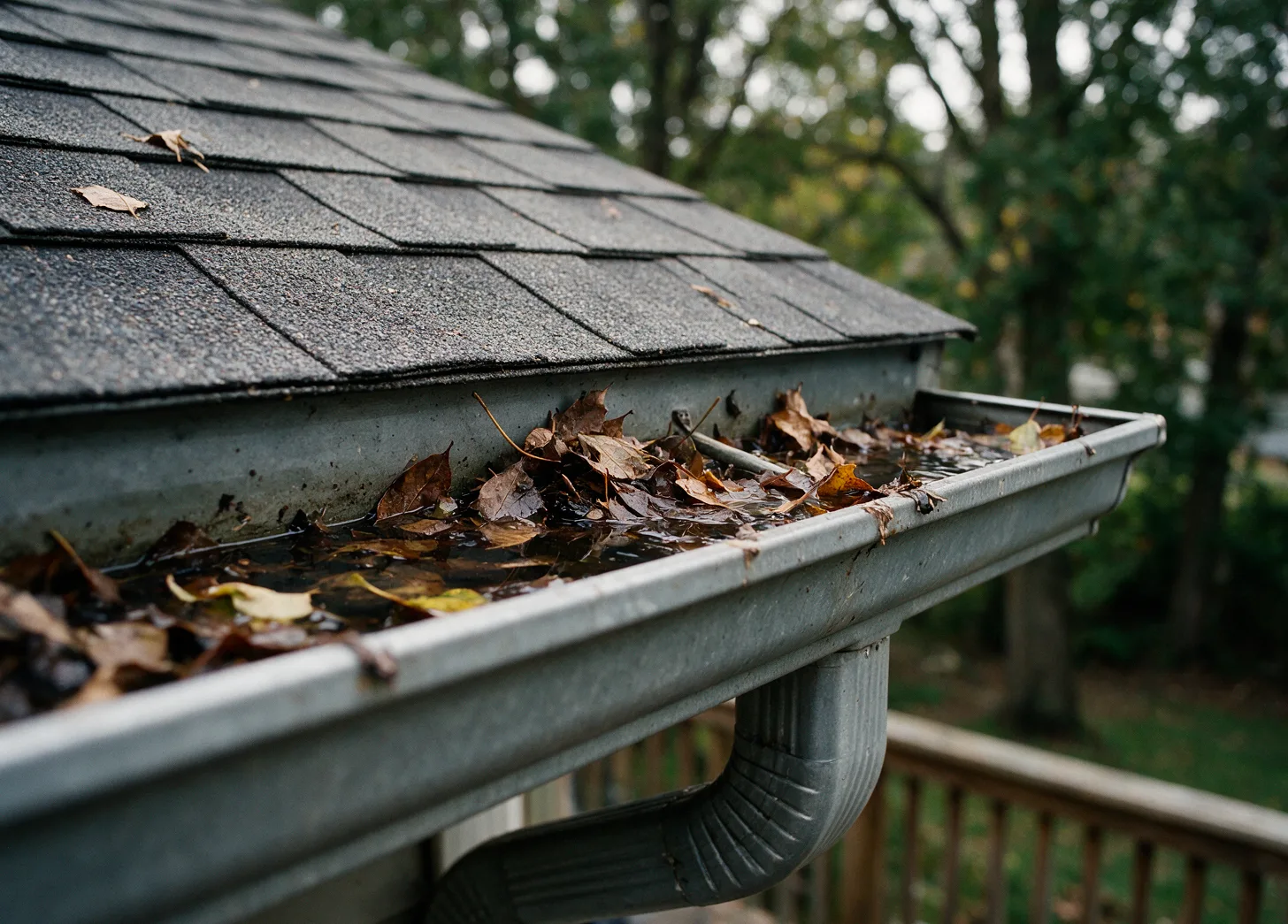
Mosquitoes lay eggs directly on the surface of stagnant water or on moist soil that will later flood. Common locations include clogged gutters, birdbaths, tire piles, and low spots in grading. The Peach State Pest Control Solutions crews empty or treat these sites with microbial larvicides that stop development without harming surrounding plants or pets.
Entry happens through any gap larger than a pencil width. Torn screens, unsealed dryer vents, and spaces around air conditioning lines allow adults inside. Technicians measure opening sizes and recommend simple mesh repairs homeowners can complete before the next treatment visit.
Technician Inspection Steps
During the visit technicians carry a dipper cup to sample water from every accessible container and check for live larvae. They also inspect vegetation density along foundation walls and under porches where adults rest during daylight. Each finding is recorded so the treatment plan matches the actual pressure on that property.
Technicians test screen integrity by running a hand along frames and note any door sweeps that have pulled away from thresholds. They measure wind patterns around the structure because mosquitoes avoid strong airflow. These details determine whether a perimeter spray or targeted mist application will reach the resting areas that matter.
Available Treatment Options
For active water sources crews apply bacterial larvicides that break the life cycle inside the container. On building surfaces they use residual pyrethroid formulations that create a barrier lasting several weeks. The Peach State Pest Control Solutions selects the lowest volume product that still reaches resting areas without drift into neighboring yards.
When larvae are widespread technicians may install small floating dispensers that release insect growth regulator over time. These devices require no power and continue working between scheduled visits. All materials are chosen for their label approval on residential properties and their limited impact on beneficial insects.
First Steps for Homeowners
Before the crew arrives homeowners can empty every saucer under potted plants and remove leaf debris from gutters. Covering rain barrels with tight lids stops new egg laying. These actions reduce the amount of product needed during the service call.
Check window and door screens for holes larger than a fingertip and patch them with replacement mesh. Trim back shrubs that touch the siding so technicians can reach resting sites without obstruction. These simple tasks help the treatment last longer once applied.
Mosquito Control questions
How do mosquitoes reach indoor rooms?
They follow air currents through torn screens or gaps around pipes and doors. Once inside they rest on walls or ceilings until they find a host. Technicians seal obvious openings and treat nearby vegetation to cut down the number that reach the structure.
What materials do technicians apply outdoors?
Microbial larvicides go into standing water while low-odor residual sprays coat shrubs and foundation walls. Both products target mosquitoes at different life stages and break down naturally after several weeks. The Peach State Pest Control Solutions chooses formulations labeled for residential use only.
Can standing water be treated without draining it?
Yes. Floating tablets or liquid larvicides are placed directly in the water where they kill larvae before they become adults. These treatments do not affect the water for later use in gardens once the active period ends. Homeowners can keep the containers after the crew treats them.
How long before mosquitoes return after service?
Barrier applications typically reduce activity for three to four weeks depending on rainfall and temperature. New eggs can hatch in untreated water so regular checks for fresh breeding sites remain important. The Peach State Pest Control Solutions can schedule follow-up visits when conditions favor rapid reproduction.
Arrange Mosquito Control Service
Contact The Peach State Pest Control Solutions to schedule a property inspection and targeted Mosquito Control treatment across the USA.