
Termite Treatment in the USA
The Peach State Pest Control Solutions sends technicians trained to locate subterranean termite colonies that feed on cellulose in framing and trim. These insects travel through soil and enter at expansion joints or utility penetrations where moisture meets wood. Our crews map the foraging paths by following shelter tubes back to the nest before any treatment begins.
Homeowners first notice frass or wings near baseboards because reproductive termites leave the colony during warm months. We measure soil moisture around the perimeter and check crawl spaces for cellulose debris that feeds the colony. Clearing leaves and fixing leaks reduces the humidity that draws new workers to the structure. Inspecting under sinks reveals moisture that draws ants so The Peach State Pest Control Solutions does termite treatment via homepage across USA.
Common Warning Signs of Termite Activity
- Mud tubes along foundation walls showing where termites travel from soil to wood.
- Wood that sounds hollow when tapped near sill plates or joists.
- Discarded wings piled near window sills after swarmers exit the colony.
- Blistered paint on baseboards caused by termite galleries behind the surface.
- Small exit holes in drywall where workers have pushed out fecal pellets.
How Termites Reach Structural Wood
Subterranean termites need constant moisture so they build tubes from the ground up to reach untreated lumber. They follow utility lines or cracks in concrete slabs because those paths stay damp and protected from light. Once inside they eat along the grain leaving only a thin veneer that can collapse under load.
Our technicians trace these tubes to determine whether the colony originates under the slab or in landscape mulch piled against the exterior. Removing that mulch and keeping a six inch inspection gap stops new tubes from forming. Technicians also check for any foam insulation that creates a hidden bridge between soil and framing.
What Technicians Measure on Site
Technicians use a moisture meter on sill plates and check for readings above twenty percent because termites prefer that range. They probe suspect wood with an awl to measure gallery depth and confirm active infestation rather than old damage. Soil is sampled around the foundation to locate the main nest before any product is applied.
We record the distance between entry points and the nearest water source so bait stations can be placed along natural foraging routes. Infrared cameras reveal temperature differences behind walls where termites have removed insulation value. These measurements guide the placement of liquid barriers that reach the colony rather than just treating visible tubes.
Treatment Materials and Placement
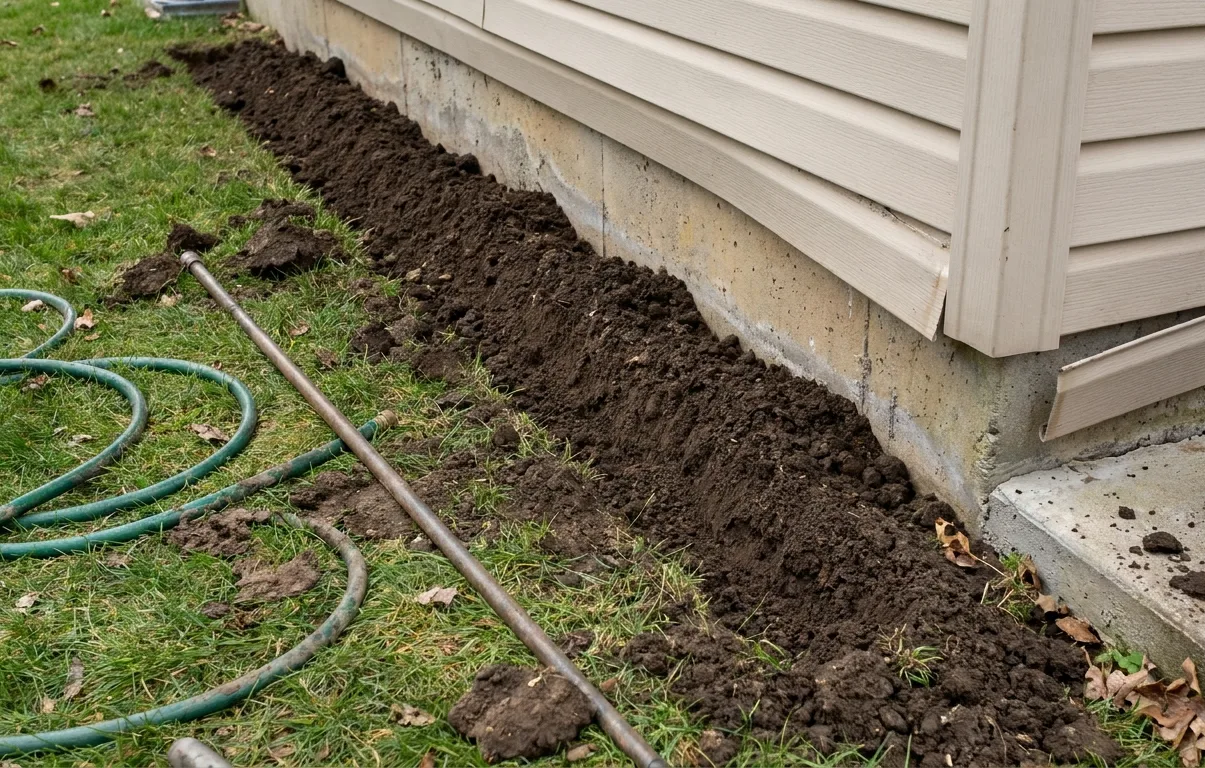
Liquid termiticides are applied in a continuous trench around the foundation and through drilled holes in slabs where utilities pass. The product bonds to soil particles and remains effective as long as the treated zone stays intact. Bait stations contain slow acting cellulose that workers carry back to the queen and share with the rest of the colony.
Foam applications fill voids behind siding or under porches where liquid might run off before reaching the galleries. Technicians avoid treated zones when planting new shrubs so roots do not create shortcuts around the barrier. All materials are chosen for the soil type and moisture level recorded during the inspection.
Steps Homeowners Take Before Arrival
Move stored boxes and firewood at least twenty feet from the foundation so technicians can see the soil line clearly. Trim vegetation touching the siding because it creates shaded runways that hide new tubes. Note any rooms where floors feel springy or doors stick because those areas often sit above the main foraging paths.
Turn off irrigation near the house the day before so the soil remains firm for trenching. Collect any discarded wings or sawdust piles in sealed bags and place them on the kitchen counter for the crew to examine. These simple actions let our technicians focus on locating the colony rather than clearing access first.
Termite Treatment questions
How do termites enter a home without visible damage?
They follow hairline cracks in foundations or gaps around pipes where soil stays damp. Workers excavate tiny galleries behind the surface so the exterior looks solid until weight causes collapse. Technicians locate these hidden routes by following moisture trails and tube remnants.
What materials do technicians use in liquid treatments?
Non repellent termiticides are injected into soil trenches and slab holes to create a treated zone workers cross without detecting. The active ingredient transfers to nest mates when grooming occurs. Placement follows the moisture map recorded during inspection.
Can homeowners reduce termite pressure before treatment?
Yes by removing cellulose debris from crawl spaces and keeping mulch away from siding. Fixing dripping faucets lowers soil moisture that draws foraging parties. These steps limit new food sources while the crew prepares the barrier.
Why do some treatments include bait stations?
Stations allow workers to carry slow acting material back to the queen without disturbing the nest immediately. Placement follows observed travel paths between soil and wood. Monitoring boxes show when activity drops and confirm colony elimination.
Schedule Termite Treatment
Contact The Peach State Pest Control Solutions to map termite activity and protect framing across the USA.